A Comprehensive Overview to Cooling And Heating: Navigating Common Problems in A/c Units and Fixes
The intricacies of cooling and heating systems typically result in usual a/c issues that can interfere with convenience. Understanding the parts and performance is vital for property owners. Signs like inadequate air conditioning or odd sounds signal underlying problems. This overview details efficient fixing techniques, do it yourself remedies for minor fixings, and indications that professional assistance is needed. By discovering preventative upkeep ideas, readers can guarantee their systems run efficiently. What steps should be required to address these worries successfully?
Comprehending Your Heating And Cooling System: Parts and Capability
A HVAC system is essential for maintaining comfy indoor settings, combining home heating, air, and ventilation conditioning features. It is composed of several essential parts, each playing a substantial function in its overall operation. The heater or boiler creates warm, while the air conditioning device cools the air to preserve preferred temperature levels. Ducts distribute conditioned air throughout the room, guaranteeing also temperature regulation. In addition, the thermostat keeps an eye on the system and controls's efficiency, permitting individuals to establish their recommended settings.
Air flow is essential for maintaining interior air high quality, including the exchange of stale indoor air with fresh exterior air. HVAC Preventive Maintenance. Filters are integrated into the system to catch dust, irritants, and other particulates, advertising a healthier environment. Generally, understanding these components and their functionalities allows homeowners to value the complexity of their heating and cooling systems and the relevance of regular maintenance for peak performance and longevity
Common Cooling Problems: Symptoms and Triggers
Usual a/c issues can show up in various methods, including not enough air conditioning efficiency, unusual noises, and unpleasant odors. These symptoms often indicate underlying problems that require interest, such as refrigerant leakages or mechanical malfunctions. In addition, frequent cycling can recommend thermostat troubles or airflow restrictions, indicating the demand for timely repairs.
Insufficient Air Conditioning Efficiency
When an air conditioning system falls short to cool down an area appropriately, it can cause discomfort and frustration for the passengers. Insufficient air conditioning efficiency can originate from various problems, including an unclean air filter, which limits air movement, or reduced cooling agent degrees due to leaks. In addition, malfunctioning components such as the compressor or evaporator can impede efficient air conditioning. Thermostat settings may additionally be poorly set up, creating the device to underperform. Routine maintenance is important to stop these troubles, ensuring the air conditioning system operates successfully. Identifying the root reason quickly can assist in timely fixings and restore suitable air conditioning, boosting indoor convenience and extending the life expectancy of the device.
Uncommon Sounds and Smells
Unusual noises and smells from an a/c system can signify underlying issues that need focus. Usual noises, such as grinding, rattling, or hissing, usually suggest mechanical problems, loose elements, or refrigerant leaks. A grinding noise might recommend worn-out bearings, while rattling could indicate loose parts that need protecting. Hissing sounds might suggest a refrigerant leakage, which can jeopardize efficiency.

Constant Biking Issues
Constant cycling problems in a/c systems can substantially influence convenience and power effectiveness. This phenomenon takes place when the system activates and off quickly, failing to preserve a regular temperature. Usual signs and symptoms consist of changing interior temperature levels and boosted energy costs. The reasons of constant cycling may involve a malfunctioning thermostat, inaccurate cooling agent levels, or filthy air filters that limit airflow. In some instances, a large cooling unit can also cause quick cycling, as it cools down the room as well promptly without sufficient runtime. Identifying these concerns immediately is vital, as extended cycling can cause boosted wear on the system, reduced lifespan, and greater repair service prices. Regular maintenance can alleviate these issues and enhance total performance.
Fixing Your Air Conditioning Unit: Step-by-Step Guide
Many home owners experience concerns with their air conditioning units eventually, resulting in pain during heat. To repair successfully, one must initially inspect the thermostat setups, ensuring it is readied to "cool" and the desired temperature is less than the present space temperature level. Next off, inspecting the air filters for dust and clogs is crucial, as clogged filters can hinder air flow.
If the system fails to begin, taking a look at the power supply and breaker for any stumbled buttons is necessary. Paying attention for uncommon sounds can also supply ideas; rattling or grinding may suggest loosened components or mechanical problems.
Evaluating the outdoor condenser unit for debris or obstructions is essential, as this can influence performance. By following these actions, home owners can recognize typical issues prior to seeking specialist aid, making certain a much more comfortable living environment throughout the summertime.
Do It Yourself Fixes for Minor HVAC Issues
A variety of small a/c problems can frequently be addressed via easy DIY repair work, saving both money and time for homeowners. One usual problem is a stopped up air filter, which can restrict air movement and minimize effectiveness. Property owners can easily clean the filter or change to improve system efficiency. Furthermore, checking and tightening up loose electric connections can stop unwanted power disruptions and enhance safety and security.
Another uncomplicated task is cleansing the condenser coils, which can build up dust and debris, hindering warmth exchange. By switching off the system and gently brushing the coils, home owners can preserve excellent effectiveness.
Last but not least, making certain that the thermostat is appropriately adjusted can eliminate unreliable temperature readings. A straightforward recalibration can result in boosted convenience and energy financial savings. While these small repair work are workable, it is important for house owners to recognize their restrictions and focus on safety throughout the process.
When to Call a Specialist: Signs You Need Specialist Aid
Exactly how can property owners figure out when it's time to look for specialist HVAC support? Acknowledging the indications that suggest professional assistance is required can stop more difficulties. First, if the air conditioning unit is blowing warm air regardless of being readied to cool down, this could indicate a cooling agent leak or a malfunctioning compressor. Additionally, unusual noises such as grinding or squealing noises often heating cooling repair point to mechanical issues that call for skilled treatment. House owners must likewise be alert to unusual odors emanating from the device, which could recommend electrical issues or mold growth. If the system frequently cycles on and off or displays irregular temperature levels throughout the home, it's suggested to seek advice from a specialist. Ultimately, if the power expenses spike all of a sudden, it may indicate inadequacy that might be best air conditioning units resolved by a cooling and heating professional. Recognizing these indicators can assist guarantee the durability and efficiency of the air conditioning system.
Preventative Maintenance Tips for a Smooth-Running AC System
Preventative upkeep is necessary for guaranteeing an air conditioning system runs successfully. Trick practices include normal filter replacement, seasonal system assessments, and thermostat calibration checks. Implementing these suggestions can help extend the lifespan of the air conditioner system and improve its performance.
Normal Filter Replacement
Seasonal System Inspections
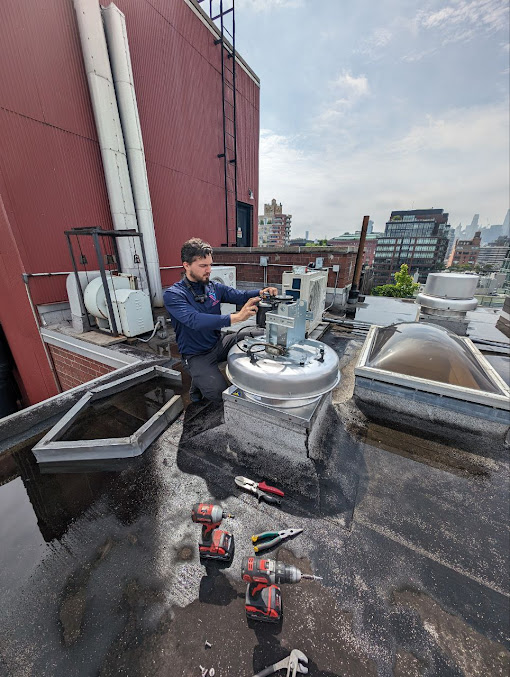
Yearly seasonal system assessments are vital for making certain a smooth-running cooling system. These evaluations permit service technicians to determine possible problems prior to they intensify right into pricey repair work. Throughout an assessment, key parts such as the compressor, condenser coils, and refrigerant degrees are thoroughly checked out. Specialists additionally inspect electric connections and check the overall effectiveness of the unit. Cleaning up the coils and making certain proper airflow are crucial tasks that add to peak efficiency. Additionally, seasonal assessments help preserve power efficiency, which can result useful site in reduced energy bills. By arranging these examinations at the beginning of the cooling period, home owners can delight in comfort, recognizing their a/c system remains in peak problem and ready to deal with the summer season warmth.
Thermostat Calibration Checks
Although typically ignored, thermostat calibration checks are crucial for maintaining an effectively running air conditioning system. An improperly calibrated thermostat can lead to incorrect temperature level readings, triggering the device to cycle needlessly or fall short to get to the desired convenience degree. To carry out a calibration check, one should contrast the thermostat's analysis with a reputable thermostat positioned near the unit. Adjustments might be required to assure precision if disparities are located. Normal calibration checks, preferably carried out throughout seasonal examinations, can protect against too much energy consumption and advertise a much longer life expectancy for the a/c system. By prioritizing this simple yet crucial maintenance action, house owners can boost convenience and efficiency, ultimately lowering repair service expenses and improving total system efficiency.
Often Asked Concerns
Just How Can I Enhance My heating and cooling System's Energy Performance?
To enhance HVAC system power effectiveness, one must regularly preserve filters, seal ducts, mount a programmable thermostat, assurance correct insulation, and think about updating to energy-efficient models, inevitably reducing energy intake and lowering energy costs.
What Are the Conveniences of Regular Cooling And Heating System Upkeep?
Normal a/c system maintenance provides many benefits, consisting of boosted energy efficiency, enhanced air quality, extended devices life-span, decreased repair service expenses, and constant temperature control. These advantages add to a more cost-effective and comfortable interior setting.
How Commonly Should I Change My Heating And Cooling Filters?
The regularity of HVAC filter replacement depends upon use and kind, but typically, it's suggested every 1 to 3 months. Normal adjustments maintain ideal air top quality and system efficiency, expanding the life expectancy of the cooling and heating unit.
What Is the Typical Life-span of a Cooling Device?
The average lifespan of an air conditioning system normally varies from 10 to 15 years (HVAC Preventive Maintenance). Aspects such as upkeep, use, and ecological conditions can considerably influence this duration, impacting overall efficiency and efficiency with time
Exist Any Kind Of Government Discounts for Energy-Efficient Cooling And Heating Upgrades?
The questions pertaining to federal government refunds for energy-efficient heating and cooling upgrades exposes that numerous regions offer motivations. Home owners are motivated to research study regional programs, as refunds can significantly decrease upfront prices and promote sustainable power usage.
The complexities of Cooling and heating systems commonly lead to common air conditioning issues that can interfere with comfort. The furnace or central heating boiler produces heat, while the air conditioning device cools down the air to maintain preferred temperature levels. Ventilation is essential for keeping indoor air quality, including the exchange of stale interior air with fresh outside air. If the air conditioning device is blowing warm air in spite of being set to cool down, this might signify a cooling agent leak or a malfunctioning compressor. Annual seasonal system inspections are crucial for making certain a smooth-running air conditioning system.